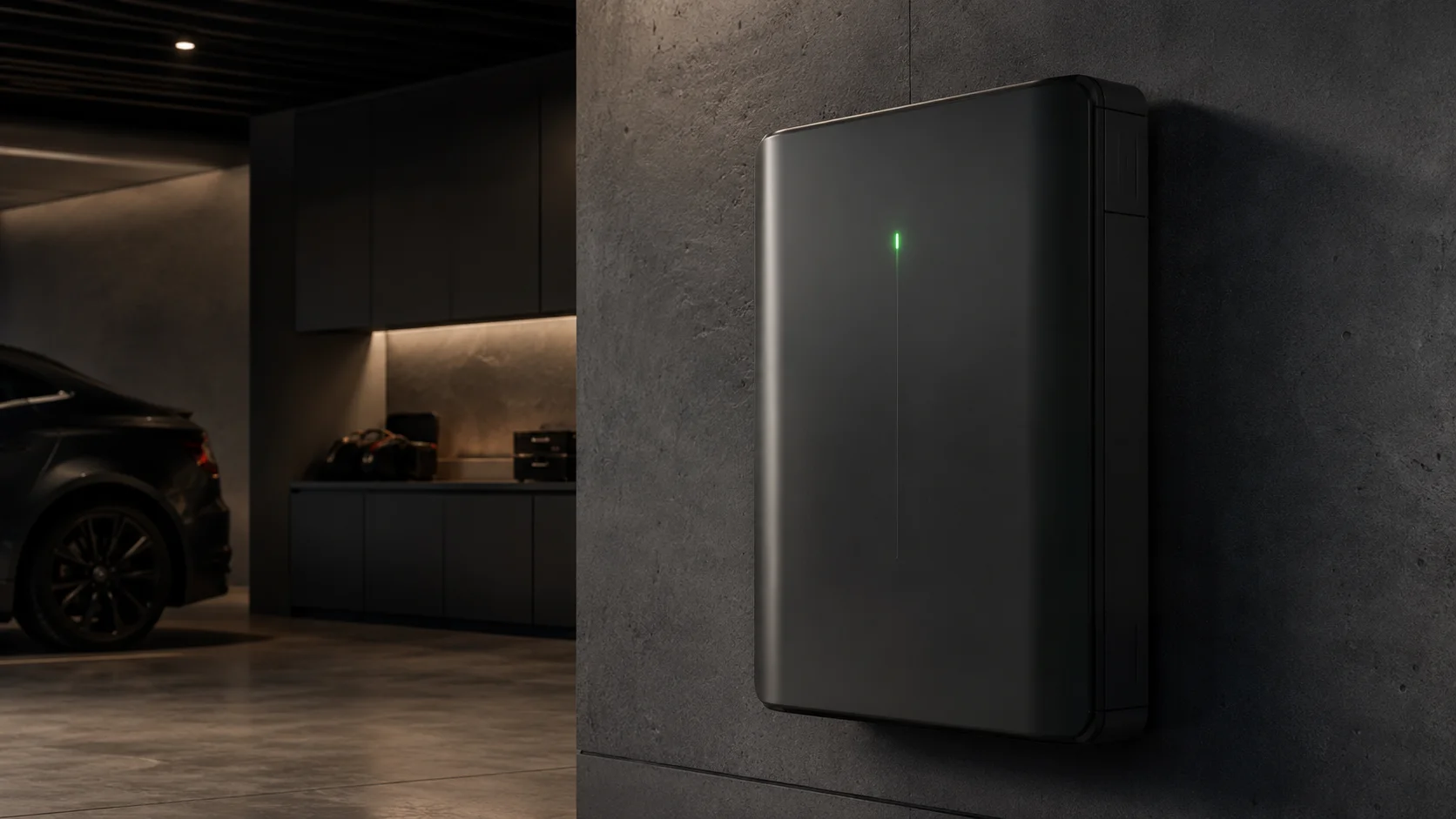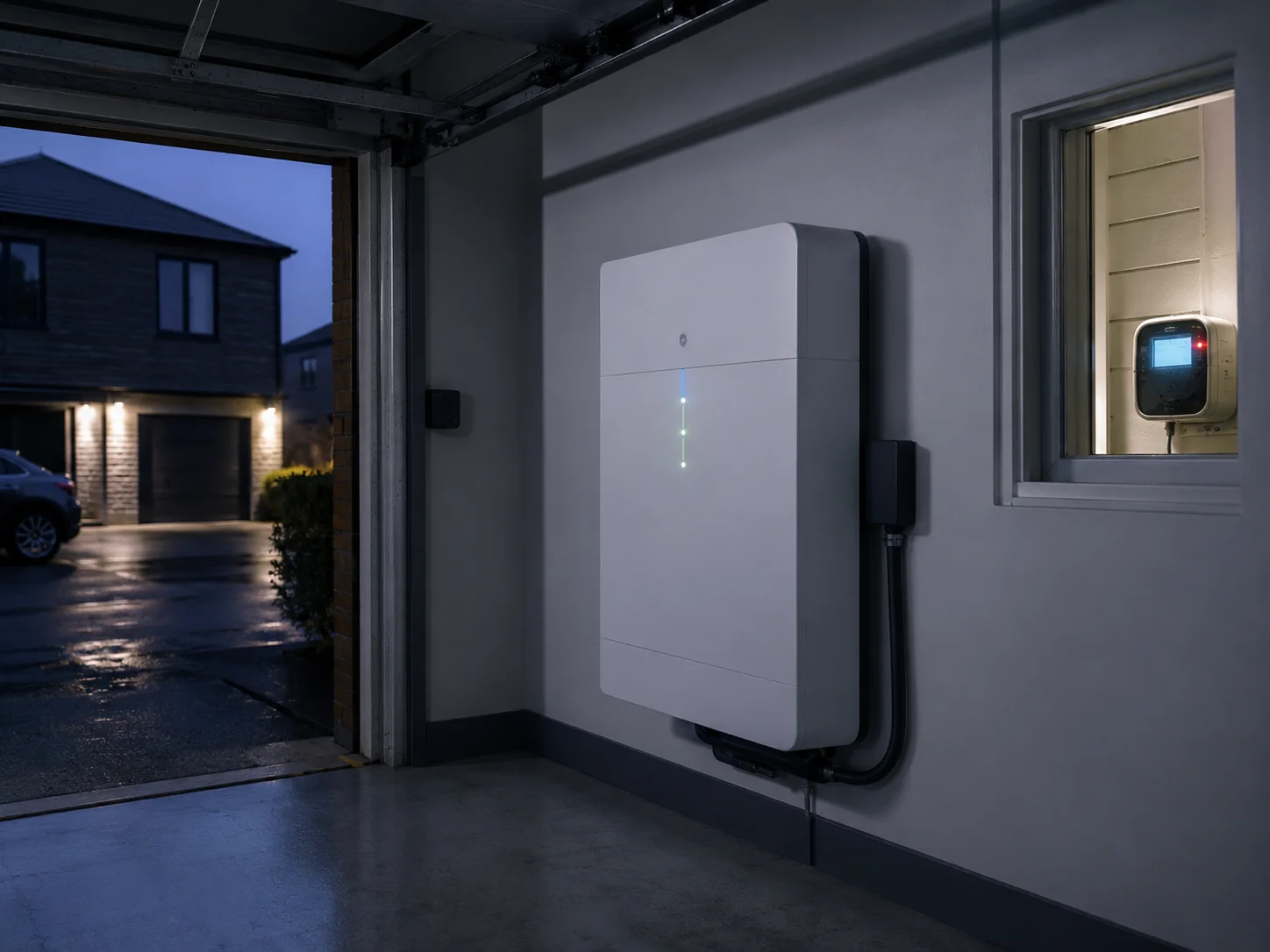
In April 2026, GivEnergy announced that cloud access for existing customers would move to a paid subscription. For thousands of households with GivEnergy batteries on Octopus Agile, this created an immediate problem: their batteries were now running on whatever charge schedule was set during installation, with no intelligent optimisation.
The default charge window for most GivEnergy installations is set during commissioning by the installer. It is often 12am-6am at a fixed rate — not the cheapest slots on Agile, and not adjusted when prices change each day.
What the wrong timing actually costs
On a typical Octopus Agile night, the cheapest slots are between 1am and 4am — often at 2-4p per kWh. The most expensive slots are between 4pm and 8pm — often at 30-40p per kWh. A 10kWh battery charged at the wrong time costs £2.47 more per cycle than one charged at the optimal window.
£2.47 per cycle × 365 nights = £901 per year left on the table. For a household also losing export timing value, the total gap can reach £1,200-1,500 per year.
The problem is not the battery. GivEnergy makes excellent hardware. The problem is that the battery has no way to know what tonight's prices are, what tomorrow's solar forecast looks like, or what time the household EV needs to be charged by.
What optimised charging looks like
Octopus publishes tomorrow's Agile prices at approximately 4pm each day. An optimised system reads those prices immediately, identifies the cheapest 3-4 hour window overnight, and schedules the battery to charge in that window — not a fixed window set months ago.
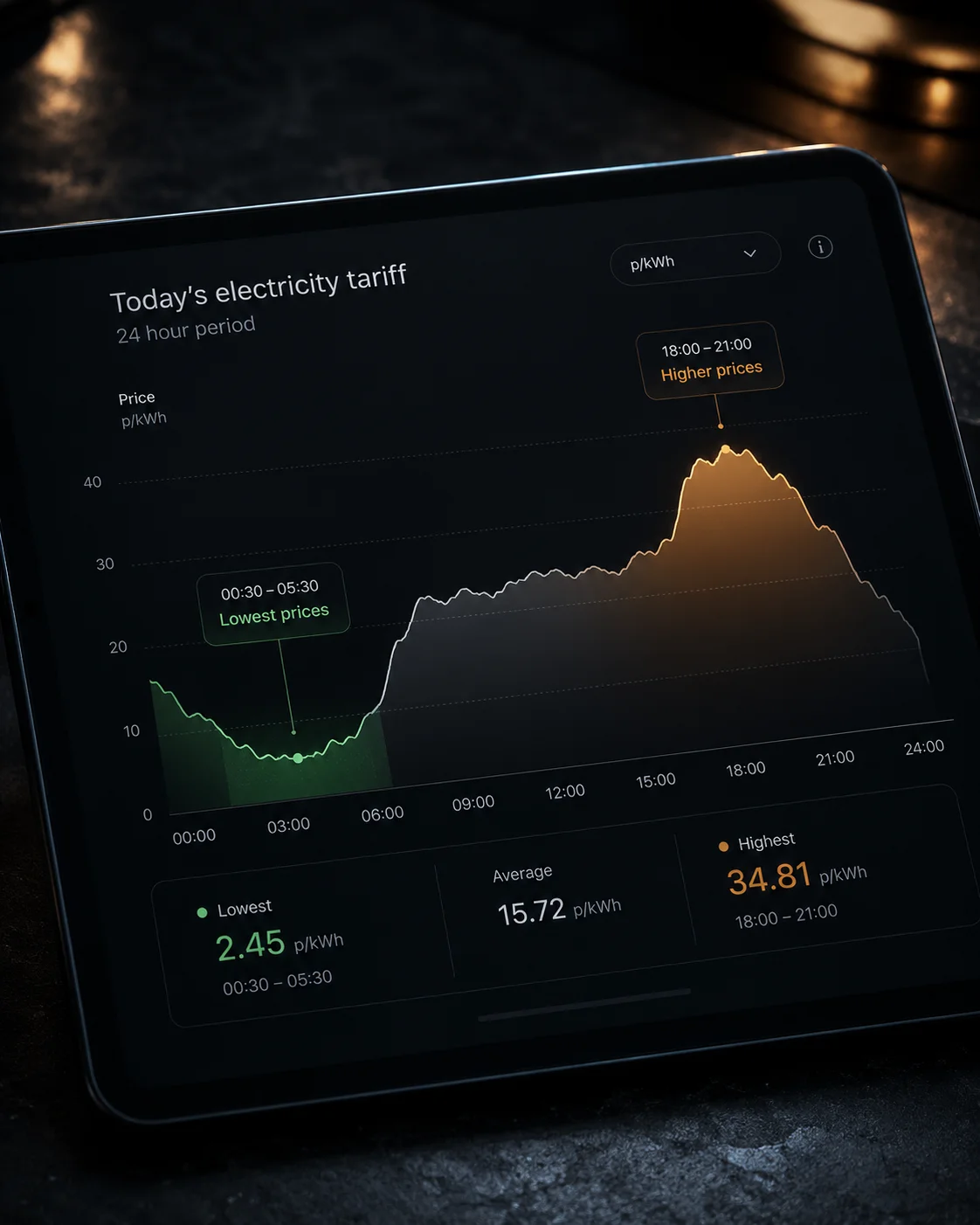
Pricing and demand patterns shift daily. Fixed schedules rarely capture the highest-value windows.
On a night where the cheapest slots are 1:30am-4:00am at 3.1p per kWh, an optimised 10kWh battery charges for £0.31. The same battery on a default 12am-6am schedule — which may include slots at 8p or 12p — might cost £0.80-1.20 for the same charge. The difference compounds every single night.
The export side matters too
It is not just about when you charge. When you export surplus solar or battery charge back to the grid matters equally. Exporting at 9am when the grid has surplus earns approximately 8p per kWh on Agile Outgoing. Exporting at 5pm during the evening peak earns 30-35p. For a household exporting 5kWh per day, the difference is £365-400 per year.
The combined gap — wrong charge timing plus wrong export timing — is often £800-1,200 per year for a household with a 10kWh battery and solar.
What to do about it
The GivEnergy API allows third-party software to set charge windows and modes directly — no Home Assistant required, no paid GivEnergy cloud subscription required. Aveum connects to GivEnergy batteries directly, reads tonight's Agile prices, and sets the optimal charge window every single day.
If your GivEnergy battery is on Octopus Agile and running on a default installation schedule, the calculation is simple: the cost of optimisation software is a fraction of what suboptimal timing costs every year.
Fix it with Aveum
Aveum coordinates timing across your battery, EV charger, heat pump, and tariff signals so your home runs in the cheapest and highest-value windows.
Get early access