Most EV owners are accidentally spending over £1,000 a year charging their car. Not because EVs are expensive. Because of when they charge.
A typical household
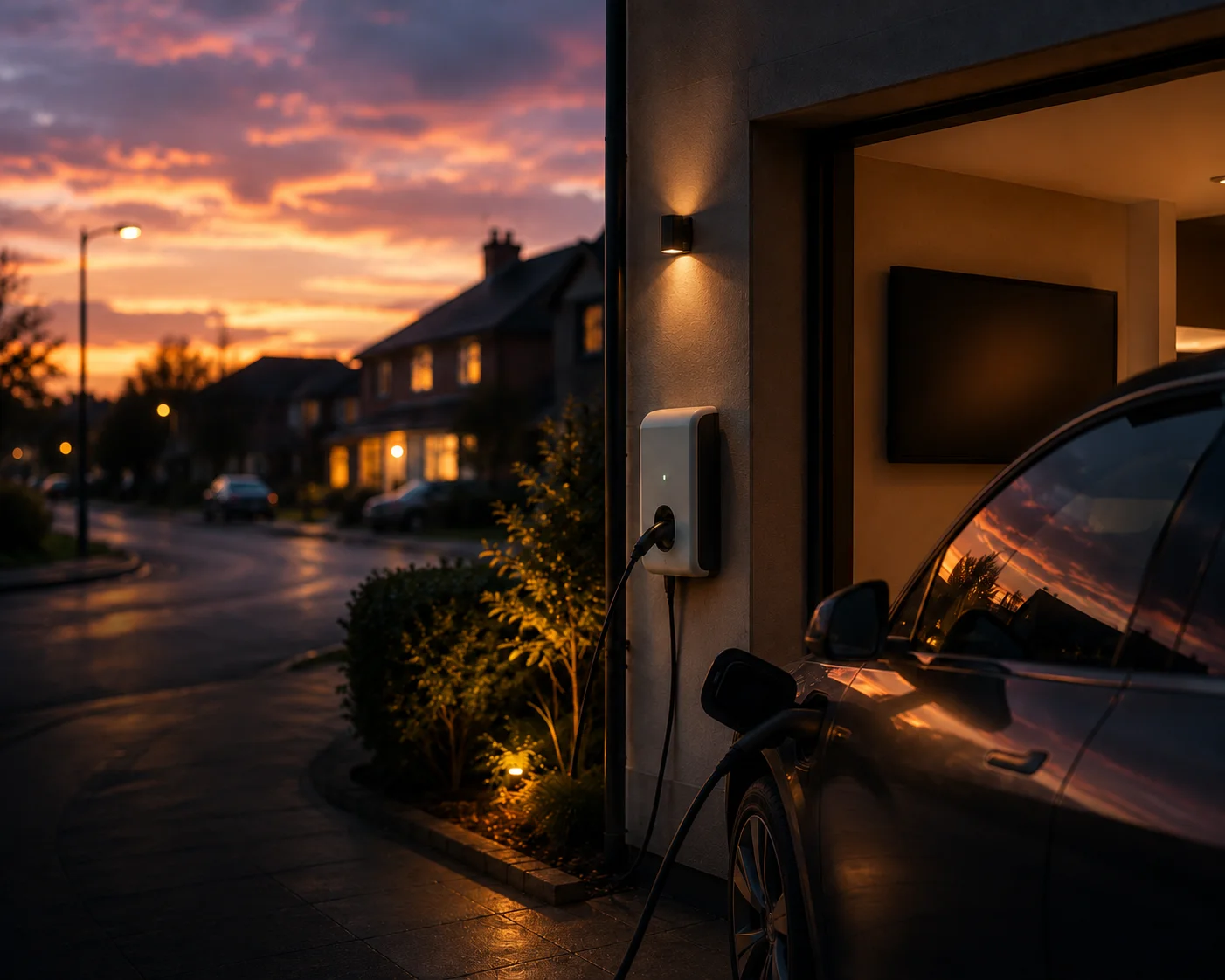
12,000 miles per year. Charging at home. Gets back around 6pm. Plugs in immediately. This is exactly what most people do. And on a standard tariff, it's fine. On Octopus Agile, it's one of the most expensive habits you can have.
The 7pm problem
Between 4pm and 7pm, demand on the grid peaks: cooking, heating, less solar generation. Agile reflects that in real time.
1am–4am: 5–10p/kWh. 5pm–7pm: 30–50p/kWh. That's a 5–10× difference for the exact same energy.
What that actually costs
Pricing and demand patterns shift daily. Fixed schedules rarely capture the highest-value windows.
A typical charge of 40 kWh at 7pm: 40 × 40p = £16.00. The same charge at 2am: 40 × 7p = £2.80. Difference: £13.20 per charge.
Charging twice a week: £13.20 × 2 × 52 = £1,372 per year. That's the cost of doing the obvious thing.
"I'll just set a timer"
This is the common fix. And it works on fixed tariffs. It doesn't work on Agile — because the cheapest window moves every day. Sometimes it's 1am. Sometimes 3am. Sometimes split across multiple periods. A fixed timer is just a guess.
What actually happens in most homes
Without coordination, the EV starts charging at 6pm, the battery fills at the same time, and the heat pump ramps up — all three competing for the most expensive electricity of the day.
The real problem
It's not the EV. It's that nothing in the home is coordinated. The car doesn't know your tariff. The charger doesn't know prices. The tariff doesn't control your EV. So the system defaults to: plug in → charge immediately.
The takeaway
Charging an EV isn't expensive. Charging it at the wrong time is. And right now, most homes are doing exactly that.
Fix it with Aveum
Aveum coordinates timing across your battery, EV charger, heat pump, and tariff signals so your home runs in the cheapest and highest-value windows.
Get early access